Published Wednesday, October 14, 2026. This post summarizes public news reports and is general information, not legal advice.
What Happened on Plymouth Street in Abington
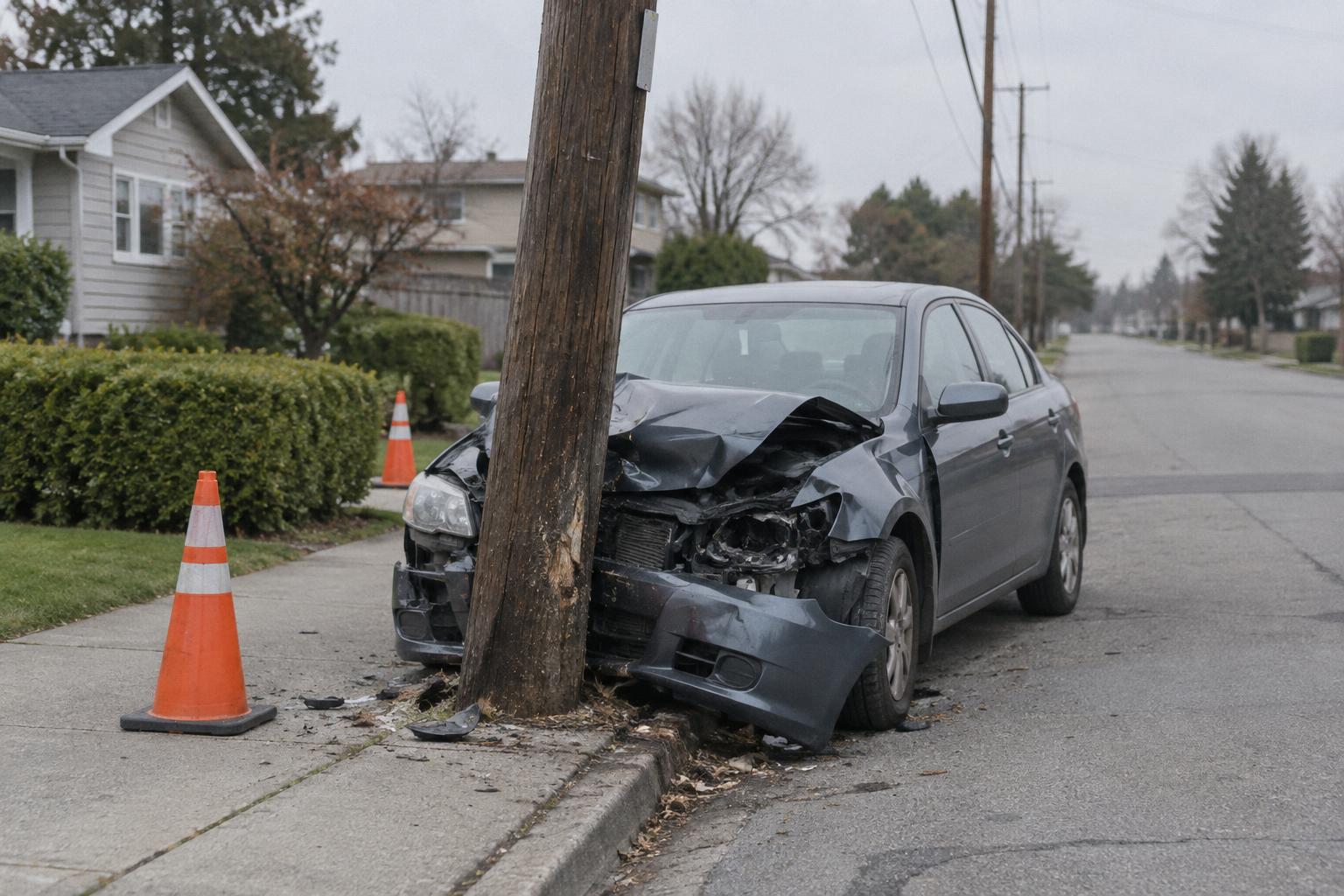
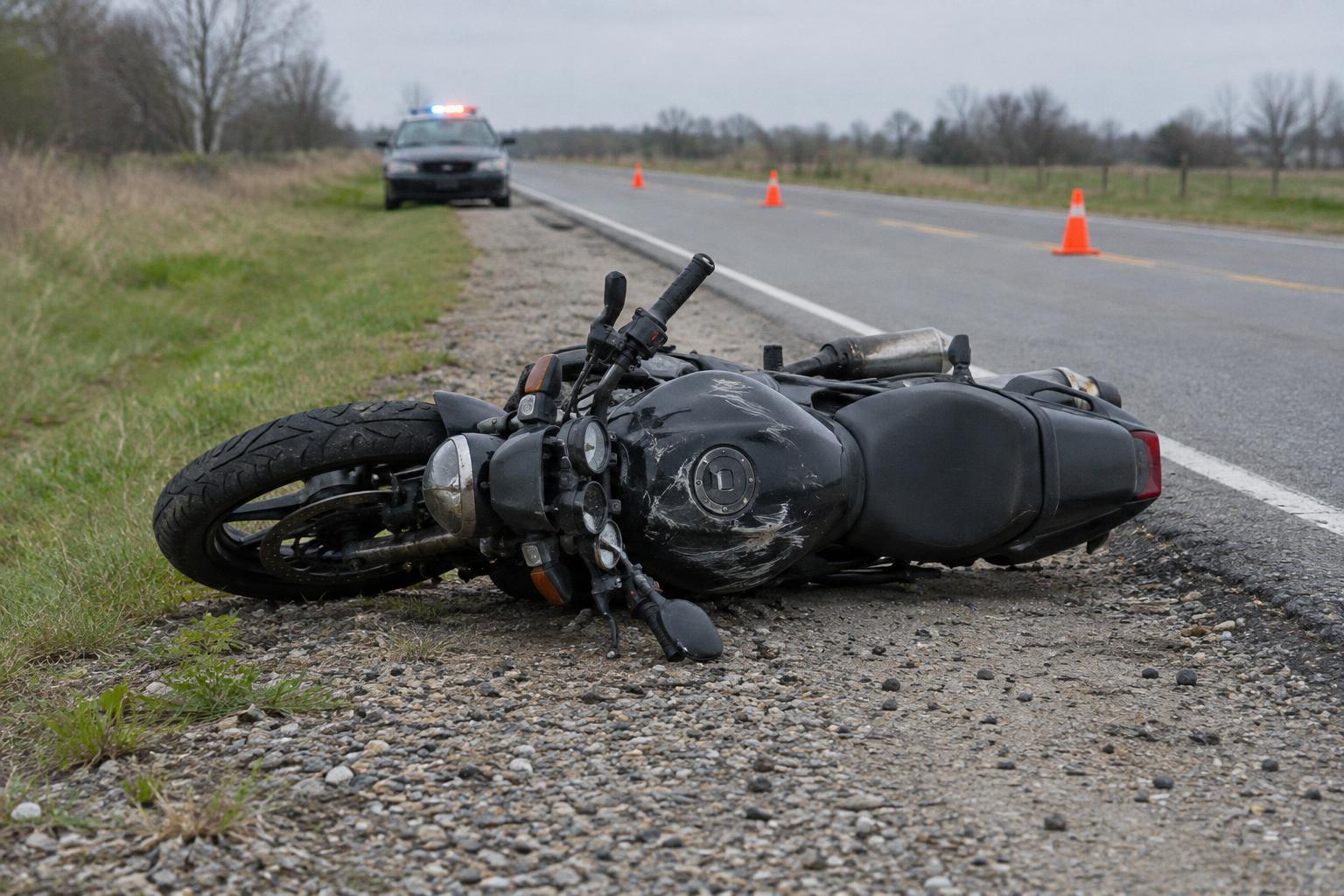
Abington Police said no further investigation is being conducted and no criminal charges are forthcoming after a motor vehicle struck a pedestrian on Tuesday evening in Abington, according to reports from Fall River Reporter. The fire chief said crews were dispatched at approximately 6:30 p.m. to the area of 430 Plymouth Street, which is Route 58.
Arriving fire crews found the pedestrian in the street, officials said, and police said the pedestrian was an adult man. Abington Fire responded and struck a box alarm to bring in off-duty personnel to assist, officials said. The pedestrian sustained serious injuries and was taken to South Shore Hospital. No additional injuries were reported.
Police said the driver, the vehicle’s sole occupant, remained at the scene and cooperated with the investigation. Fire crews cleared the scene a short time after the pedestrian was transported, officials said.
Insurance and Legal Questions After a Pedestrian Is Struck in Massachusetts
A pedestrian struck by a motor vehicle in Massachusetts can face insurance and legal questions while still in treatment. At Colucci, Colucci & Marcus, P.C., Boston personal injury attorney Dino M. Colucci represents people injured in pedestrian accidents. Our team investigates how a crash happened, which insurance policies can apply and who can be responsible. Our team represents injured clients in Suffolk, Norfolk and Middlesex counties and throughout Massachusetts.
Personal injury protection, or PIP, can apply to a pedestrian struck by a car. Under M.G.L. c. 90, § 34M, a Massachusetts motor vehicle liability policy generally must provide PIP, which § 34A defines as coverage of at least $8,000 per person. For an eligible injured person, PIP can pay, without regard to fault, reasonable medical expenses incurred within two years of the crash, lost wages generally limited to 75 percent of the person’s average weekly wage for the year before the crash, and payments to people outside the household for necessary replacement services. A deductible purchased under § 34M can modify, reduce or eliminate these benefits for the insured and members of the insured’s household. Where health insurance or a group plan has paid or will pay an eligible person’s medical expenses, § 34A bars PIP from paying more than $2,000 of those expenses to the extent they are so paid. Amounts that coverage does not pay, such as its deductibles and copayments, can generally still be paid by PIP up to the policy’s PIP limit.
A police investigation examines what happened and whether a law may have been broken. Police can seek criminal charges, prosecutors decide whether to pursue them, and a court decides guilt. A civil claim for compensation is a separate matter that asks who can be responsible for the harm, and it does not depend on whether anyone is charged or convicted.
Why Witness Accounts and Evidence Can Go Cold After a Pedestrian Crash
In a pedestrian injury claim, what witnesses saw and heard can be relevant to how responsibility is assessed. Memories can fade over time, and details about positions, lighting and timing can become harder to recall accurately.
Contact details can also be lost. People who stop to help or who watch from a nearby home can leave before anyone records a name or phone number. A statement taken early, while events are recent, can be more complete than one gathered months later.
Other evidence can change as well. Vehicle damage can be repaired, and where video exists, it can be overwritten. Under M.G.L. c. 260, § 2A, a personal injury claim in Massachusetts generally must be filed within three years after the cause of action accrues, but relevant evidence can become harder to find long before then.
What an Injured Pedestrian Can Do Now
These steps can help protect a pedestrian injury claim while treatment continues.
- Keep up with follow-up care: Attend scheduled appointments and follow the treatment plan from hospital and outpatient providers. Keep hospital discharge papers, treatment records and bills together in one place.
- Request the police report: Ask the responding police department for a copy of the crash report. It can show who was involved and which insurance can apply.
- Keep a recovery journal: Record pain, missed work, help needed at home and activities that have become difficult. Dated entries can be relevant to showing how an injury affected daily life.
- Avoid social media posts about the crash: Photos and comments about the crash, injuries or recovery can be read out of context by anyone reviewing a claim.
- Talk with a lawyer before signing anything: A recorded statement, a medical authorization or a settlement release given to an insurer early can affect a claim before the full extent of an injury is known. It is generally worth understanding what a document does before signing it.
Sources
- fallriverreporter.com: Pedestrian sustains life-threatening injuries after Plymouth County highway collision
Speak With a Massachusetts Injury Attorney
Evidence from a pedestrian crash can be preserved only while it still exists, and our team can send the requests that keep it available. Call Colucci, Colucci & Marcus, P.C. at (617) 958-3807 to discuss your case. Our office at 31 Milk St, 4th Floor, Boston, MA 02109 serves injured clients throughout Boston and across Massachusetts.