Published Monday, October 26, 2026. This post summarizes public news reports and is general information, not legal advice.
What Happened on Route 1 in Revere
State Police said a juvenile driver traveling southbound in the northbound lanes of Route 1 in Revere struck another vehicle head-on early Sunday morning, according to reports from WCVB, Boston 25 News and NBC Boston. The crash happened at about 3:23 a.m. on Route 1 just south of Sargent Street, near the Revere/Saugus line, State Police said. Troopers were responding to multiple 911 calls about the wrong-way driver when the crash occurred, police said.
Officials said the wrong-way vehicle was engulfed in flames when first responders arrived. The juvenile driver was pronounced dead at the scene. The driver of the second vehicle suffered minor injuries and was taken by EMS to a Boston hospital.
Route 1 traffic was stopped for an extended period while emergency crews responded, and all lanes of Route 1 were closed until approximately 8:15 a.m. The crash is under investigation by the State Police Detective Unit assigned to the Suffolk County District Attorney’s Office, police said.
How Can Comparative Negligence Affect a Head-On Crash Claim
After a head-on crash, a central legal question is how responsibility can be divided among those involved. Under M.G.L. c. 231, § 85, an injured person’s own negligence does not bar compensation unless it was greater than the combined negligence of everyone the person seeks to recover from. Any compensation is reduced in proportion to the injured person’s share of the negligence.
The rule is applied to what the evidence shows, not to early accounts of a crash. Findings from an official investigation, statements from witnesses and the physical record can all be relevant to how negligence is measured and who can be responsible.
At Colucci, Colucci & Marcus, P.C., Boston personal injury attorney Dino M. Colucci represents people injured in car crashes. Our team investigates how a crash happened, reviews police and insurance records, and works to document each client’s injuries and losses. Our team represents injured clients in Suffolk, Norfolk and Middlesex counties and throughout Massachusetts.
Why Physical Evidence and Witness Accounts Can Fade Quickly
Physical evidence is relevant to how responsibility for a crash is assessed, and much of it can change after a scene is cleared. Marks on the pavement can fade with traffic and weather, and debris can be removed when a highway reopens.
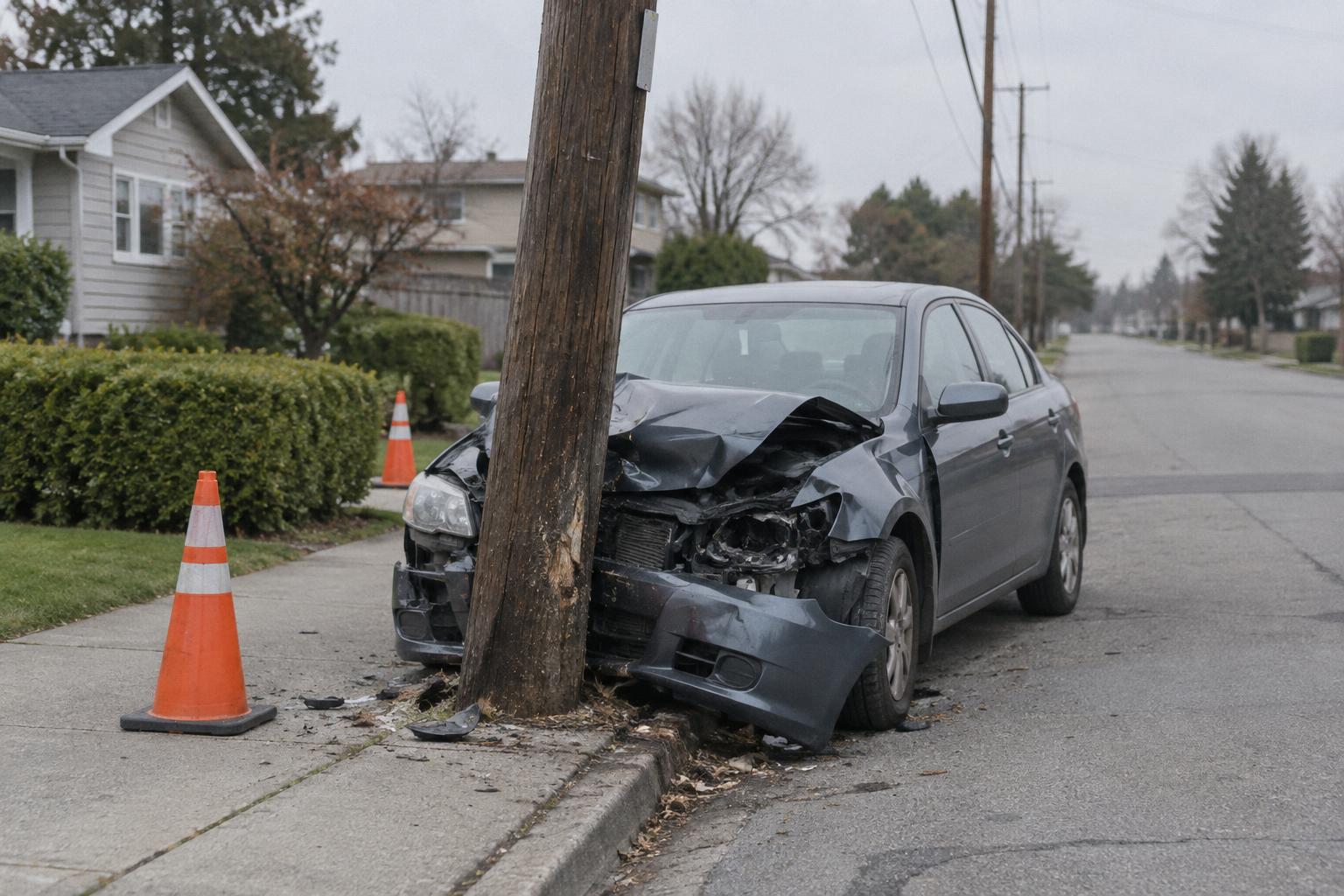
Vehicle damage can show where and how vehicles made contact, which can matter in a head-on collision. Damaged vehicles can be moved to storage, repaired, salvaged or scrapped, and the record they hold can be lost. Video from nearby businesses or other vehicles can be overwritten.
People who called 911 or stopped at a scene can be important witnesses, and their recollections can fade as time passes. A written request to preserve vehicles, together with photographs of the vehicles, the roadway and any injuries, can help keep a record of conditions before they change.
What Families and Injured People Can Do Now
After a crash that takes a life and injures others, a few practical steps can help protect the record and the legal options that remain available.
- Request the official reports: Ask the investigating agency how and when the crash report and related records can be obtained. These records can show what investigators documented at the scene.
- Ask that vehicles, equipment and video be preserved: Send a written request to the people and insurers holding the vehicles, and to anyone who may have video, asking that the material be kept. An early request can help prevent repairs, disposal or overwriting.
- Be careful with insurer paperwork and releases: A recorded statement, a medical authorization or a settlement release given to an insurer early can affect a claim before the full extent of an injury is known. It is generally worth understanding what a document does before signing it.
- Understand how a wrongful death claim is brought: Under M.G.L. c. 229, § 2, a person whose negligence causes another person’s death can be liable in a wrongful death action, brought by the deceased person’s executor or administrator for the surviving spouse, children or next of kin. The statute generally requires filing within three years from the date of death, or from when the executor or administrator knew, or in the exercise of reasonable diligence should have known, of the factual basis for a claim, subject to additional time under certain sections of chapter 260.
- For anyone injured in the incident: Keep every follow-up appointment and keep copies of hospital and treatment records. Records of medical bills and missed work can help document losses.
- Speak with a lawyer: A Massachusetts lawyer can review the reports, the insurance involved and the deadlines that apply before decisions are made.
Sources
- wcvb.com: Juvenile killed in fiery wrong-way crash on Route 1 in Revere
- boston25news.com: Triton High School senior killed in wrong-way crash on Route 1 in Revere, state police say
- whdh.com: Teen killed in fiery wrong-way crash on Route 1 in Revere
- nbcboston.com: Young wrong-way driver killed in head-on crash in Revere
How Colucci, Colucci & Marcus, P.C. Can Help Families
Our Boston attorneys represent families after fatal crashes, from the first insurance call through a wrongful death claim. Call Colucci, Colucci & Marcus, P.C. at (617) 958-3807 to schedule a consultation. Our office at 31 Milk St, 4th Floor, Boston, MA 02109 serves injured clients throughout Boston and across Massachusetts.